The Okavango Delta is one of Africa’s most remarkable natural wonders, a vast inland river system that transforms seasonal floodwaters into a rich mosaic of lagoons, channels, islands, and floodplains. Located in northern Botswana, it is a living ecosystem shaped by water, where wildlife, landscapes, and seasons are in constant motion.
This guide explores what makes this UNESCO-listed wilderness so unique, from its wildlife and habitats to its private concessions and safari experiences
What is the Okavango Delta?

The Okavango Delta is the world’s largest inland delta and one of Africa’s most extraordinary natural wonders. Instead of flowing into the sea, the Okavango River fans out across the sands of the Kalahari Desert, creating a vast and ever-changing network of channels, lagoons, islands, floodplains, and forests.
Fed by seasonal rains in the Angolan Highlands, this remote water system transforms an otherwise dry landscape into a thriving oasis of life. Depending on the time of year, the Delta expands and contracts dramatically, covering around 6,000 to 15,000 square kilometres and supporting one of the highest concentrations of wildlife and birdlife on the continent.
What makes the Okavango truly unique is its setting. It exists deep within the Kalahari Desert, where water is rare and the contrast between wetland and arid land is striking. Instead of reaching the ocean, the river slowly disperses into the desert sands, where much of it evaporates, sustaining a delicate and highly specialised ecosystem.
Unlike most African wetlands, the Okavango floods during Botswana’s dry season. Water travels hundreds of kilometres from Angola over several months, meaning peak flood levels typically occur between June and August — just as much of southern Africa is at its driest.
Where is the Okavango Delta?

The Okavango Delta is located in northern Botswana, within the Ngamiland District, approximately 1,000 kilometres north of Gaborone. It sits at the northern edge of the Kalahari Desert, bordered by the dry woodlands of Moremi Game Reserve to the east and the wilderness areas of the Linyanti and Selinda systems to the north, a landscape where desert and wetland meet in striking contrast.

The Okavango Delta is located in northern Botswana and is accessed via a combination of international flights, regional connections, and light aircraft transfers into the Delta’s remote airstrips.
International flights: Most visitors travel into southern or eastern Africa via major international hubs, including Johannesburg (South Africa), Cape Town (South Africa), and Nairobi (Kenya). From these gateways, travellers connect onto regional flights into Botswana.
Flying into Maun: Maun is the primary gateway to the Okavango Delta and the main hub for safari logistics – the key connection point for onward travel into the Delta’s private concessions and camps.
Light aircraft transfers: From Maun, guests continue their journey by light aircraft into the Delta. Flight times generally range from 15 to 45 minutes, depending on the camp location. These scenic flights offer breathtaking aerial views of the Delta’s intricate network of waterways, islands, and floodplains – a memorable introduction to the region in their own right, and part of what keeps this wilderness so remote and untouched.
Given the remote and water-rich nature of the Okavango Delta, travel between camps is conducted almost entirely by light aircraft, allowing guests to move efficiently between regions while enjoying uninterrupted views of the wilderness below. Many itineraries combine two or three camps across different areas of the Delta, giving guests the chance to experience a variety of ecosystems, wildlife densities, and safari activities. These transfers are typically well coordinated and scheduled daily, forming a seamless part of a well-organised safari itinerary.

One of the Okavango Delta’s greatest attractions is the sheer variety of safari activities on offer. Unlike many traditional safari destinations, the Delta combines land- and water-based experiences, allowing visitors to explore its diverse ecosystems from different perspectives — from thrilling game drives and peaceful mokoro excursions to guided bush walks and scenic helicopter flights.
- Game Drives: Morning and afternoon drives offer excellent opportunities to observe elephants, buffalo, giraffe, and antelope, alongside predators such as lions, leopards, wild dogs, and cheetahs.
- Mokoro Excursions: Explore the Delta’s waterways in a traditional dugout canoe, a peaceful and authentic way to experience this unique wetland ecosystem.
- Boating Safaris: Discover the Delta’s channels and lagoons by boat while taking in wildlife sightings and spectacular scenery.
- Guided Walking Safaris: Explore the bush on foot alongside an experienced guide, for a deeper appreciation of the Delta’s wildlife, flora, and ecosystems.
- Fishing: Seasonal catch-and-release fishing is available at selected camps, with opportunities to target species such as tigerfish and bream.
- Scenic Helicopter Flights: Spectacular aerial views over the Delta’s waterways, islands, and floodplains, offering a wholly different perspective on this remarkable wilderness.
Wildlife in the Okavango Delta

The Okavango Delta is one of Africa’s richest wildlife regions, shaped by a mix of permanent waterways, seasonal floodplains, islands, and woodland habitats. It supports an extraordinary variety of species that shift and move with the seasons.
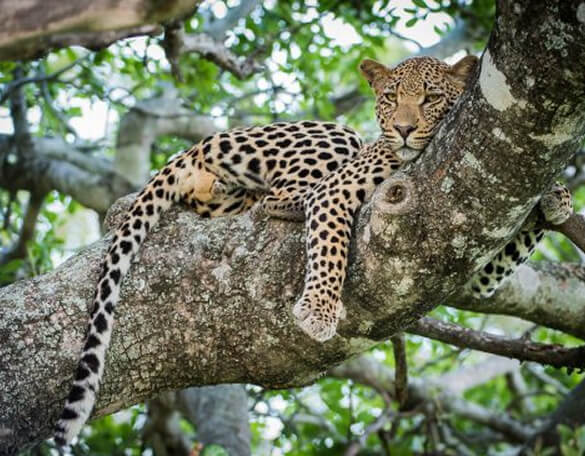
The Delta is home to the Big Five, including large elephant herds, lion, leopard, buffalo, and the rarer rhinoceros. It’s especially known for its predator populations – African wild dog, cheetah, hyena, and leopard, with strong hunting activity across the floodplains. Smaller and nocturnal predators such as serval, genet, civet, jackal, honey badger, and aardvark are also present, though far more rarely seen.
Antelope diversity is a major highlight, particularly red lechwe, often seen moving through shallow water, and the elusive sitatunga, adapted to life in the swamp. Other common species include impala, kudu, waterbuck, wildebeest, zebra, giraffe, and tsessebe, while sable and roan antelope are more uncommon sightings.
The waterways themselves support abundant aquatic life, including hippopotamus, Nile crocodiles, and tigerfish, alongside frogs, terrapins, and water monitors. Birdlife is exceptional too, with over 480 recorded species. Highlights include the African fish eagle, Pel’s fishing owl, wattled crane, bee-eaters, and kingfishers.
Seasonal variation plays a major role in wildlife viewing. The dry and flood season (May–October) concentrates animals around water, creating excellent game viewing, while the green season (November–March) brings lush landscapes, migratory birds, and newborn wildlife.
Private Concessions in the Okavango Delta

The Okavango Delta is made up of a combination of public protected areas, such as Moremi Game Reserve, and a wide network of private concessions. These are exclusive safari areas leased for low-impact tourism, designed to protect the wilderness while offering a more private and controlled safari experience.
What makes these areas so special is the level of exclusivity. Visitor numbers are extremely limited, so encountering other vehicles is rare, allowing for a more immersive safari experience, often including off-road driving, night safaris, walking safaris, and, depending on water levels, mokoro and boat activities. Together, the concessions form a mosaic of habitats across the Delta, each offering its own distinct wildlife experience.
Key Private Concessions
- Khwai / Eastern Delta: Bordering Moremi, known for excellent predator sightings and high game density.
- Northern Delta: Remote and little-visited wilderness with pristine habitats.
- North-West Delta (Kwedi): A vast and diverse concession system with a strong sense of remoteness.
- Western Delta (Jao, Vumbura, Kwara, Shinde): Water-rich regions with lagoons, islands, and excellent year-round wildlife viewing.
- Eastern Predator Zones (Chitabe, Duba Plains): Famous for intense predator-prey interactions, especially lion and wild dog sightings.
Beyond the Delta’s core concessions, several neighbouring wilderness areas form part of the same greater ecosystem, offering their own seasonal rhythms and wildlife movement while remaining closely linked to the Okavango itself.
Connected Wilderness Areas
- Selinda Reserve: Connects the Okavango Delta to the Linyanti system, known for seasonal waterways and excellent wildlife movement.
- Linyanti Concessions: A network of northern wetlands and dry woodland with strong elephant and predator populations.
- Okavango Community Trust (OCT) Concessions: Community-managed areas forming a major part of the greater Delta conservation landscape.
When to Visit the Okavango Delta

The Okavango Delta can be visited year-round, with each season offering a distinct safari experience. The best time for wildlife viewing is generally May to October, when the dry season brings animals closer to the Delta’s permanent waterways and creates some of the most rewarding game viewing conditions. The annual flood peaks between June and August, transforming the landscape into a spectacular network of channels, lagoons, and islands — the ideal window for the classic combination of abundant wildlife, scenic waterways, and traditional mokoro safaris.
The green season, from November to March, offers an equally beautiful but very different side of the Delta: lush vegetation, excellent birding, dramatic skies, and fewer visitors.
Dry Season (May to October) — Best Overall Time to Visit
- Excellent wildlife viewing as animals gather around permanent water sources
- Increased predator activity, including lions, leopards, cheetahs, and African wild dogs
- Peak flood season creates exceptional mokoro and boat safari opportunities
- Clear skies and dry conditions for excellent photography
- Ideal for first-time visitors seeking the classic Okavango safari experience
Green Season (November to March) — Best for Photography & Birdlife
- Lush green landscapes following the summer rains
- Outstanding birdwatching with the arrival of migratory species
- Dramatic skies and vibrant scenery
- Lower visitor numbers, often with more attractive rates
- A strong chance to witness newborn wildlife and breeding activity
Where to Stay in the Okavango Delta
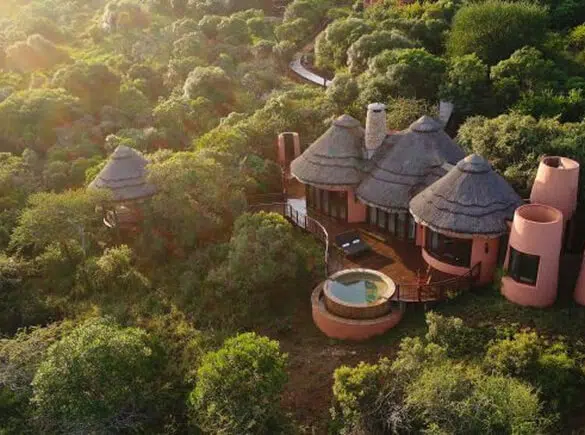
Choosing where to stay in the Okavango Delta depends largely on the type of safari experience you want. The Delta isn’t a single park or reserve but a vast network of private concessions, each with its own habitats, wildlife concentrations, and activities. Some areas are dominated by permanent waterways; others offer expansive floodplains and woodland that attract high concentrations of wildlife.
Water-Based Safari Camps: Located in areas with permanent channels, lagoons, and wetlands, these camps showcase the scenery the Okavango Delta is famous for. Best for mokoro excursions, boating safaris, birdwatching, scenic photography, and exploring the Delta’s waterways.
Land-Based Safari Camps: Found in drier regions of the Delta, these camps offer some of the best traditional game viewing, with open grasslands and woodland attracting predators and large mammals year-round. Best for Big Five viewing, predator sightings, off-road game drives, and walking safaris.
Mixed Land and Water Camps: Some concessions combine both habitats, giving guests access to a wider range of activities without having to choose between land and water experiences. Best for first-time visitors, a variety of activities, and flexible itineraries.
Xigera Safari Lodge

There’s a quiet, immersive quality to a stay at Xigera — days unfold on the water rather than around it, and the lodge’s design leans into that with a striking, gallery-like feel that sets it apart from more traditional safari architecture. It’s a good match for guests who want the Delta’s waterways to be the centrepiece of their stay, not just an occasional activity.
Highlights
- Private wetland concession surrounded by papyrus swamps and wooded islands
- Exceptional sitatunga sightings, plus lechwe, elephant, and buffalo
- Mokoro and motorboat excursions at the heart of the experience
- African contemporary art collection throughout the lodge
Nxabega Tented Camp

Nxabega suits guests who don’t want to choose between habitats, the camp moves easily between vehicle-based game viewing and time on the water depending on the season, giving each stay a slightly different shape. It’s also a particularly rewarding base for keen photographers and birders, given the sheer range of species passing through.
Highlights
- Twice-daily game drives, plus night drives
- Seasonal mokoro excursions and motorised boat cruises
- Strong Big Five viewing
- Over 400 recorded bird species
Duba Plains Camp

This is a camp for guests who want their safari to feel like theatre — flexible, guide-led days built around following the action rather than a fixed schedule, with sightings here often described as some of the most dramatic in the Delta. It rewards patience and a willingness to spend a full day out in the field when the wildlife calls for it.
Highlights
- Renowned for exceptional Big Five viewing
- Game drives are the main focus
- Seasonal mokoro and boating when water levels allow
- Long associated with dramatic lion and buffalo interactions
Dukes Camp

The appeal of Dukes Camp is variety without compromise — few concessions in the Delta let guests move this freely between land and water activities in the same stay, and the vintage safari styling gives it a distinct sense of occasion. It suits guests who want one camp to do it all, rather than combining several.
Highlights
- Private island concession adjoining Moremi Game Reserve
- Game drives, mokoro, boating, and fishing, all year-round
- High predator concentrations, particularly lion
- Seasonal zebra migrations
Zarafa Camp

Zarafa rewards guests looking to go beyond a single-camp Delta trip — its location makes it a natural pairing with camps further into the Okavango, giving a sense of how the wider ecosystem connects. With only four suites, it also offers one of the most private, personalised stays on this list.
Highlights
- Set in the private Selinda Reserve, overlooking the Zibadianja Lagoon
- Primarily game-drive and walking-safari focused
- Seasonal mokoro and boating on the Selinda Spillway
- Well suited to combining a Delta stay with Linyanti/Selinda
Frequently Asked Questions
How many days should I spend in the Okavango Delta?
Most itineraries recommend at least 3–4 nights to properly experience the Delta’s habitats and activities, with 5–7 nights across two or three camps ideal for a fuller sense of its variety.
Is malaria a risk in the Okavango Delta?
Yes, the region is a malaria area, and travellers should consult a doctor or travel clinic about prophylaxis before departure.
Can the Okavango Delta be combined with Victoria Falls or Chobe National Park?
Yes, it’s commonly combined with both, as well as with other Botswana or wider southern African destinations, thanks to convenient light aircraft connections.
Do I need to be an experienced traveller to visit?
No. While the Delta is remote, camps are set up to welcome first-time safari travellers, with experienced guides and well-organised logistics throughout.
What should I pack for an Okavango Delta safari?
Neutral, lightweight clothing works best (avoid dark blue or black, which attract tsetse flies), along with a warm layer for cool mornings and evenings, sun protection, insect repellent, and binoculars. Since camps are reached by light aircraft, luggage is usually limited to soft-sided bags around 20kg per person – worth confirming with each camp in advance.
Is the Okavango Delta suitable for families with children?
Many camps welcome families and offer tailored activities, though some private concessions set minimum age requirements — worth checking when booking.
What’s the difference between the Okavango Delta and other Botswana safari areas like Chobe, Linyanti, or the Kalahari?
The Okavango Delta is defined by its permanent and seasonal waterways, offering a mix of water- and land-based activities unlike anywhere else in the country. Chobe is known for its huge elephant herds along the Chobe River, Linyanti for its remote wetlands and strong predator populations, and the Kalahari for its open desert landscapes and specially adapted wildlife such as meerkats and desert-adapted elephants. Many itineraries combine two or more of these areas for a fuller picture of Botswana.
How much does an Okavango Delta safari typically cost?
Rates vary widely by camp and season, generally running from a few hundred to several thousand US dollars per person, per night, on an all-inclusive basis covering accommodation, meals, and scheduled activities. Water-based and mixed camps in the permanent Delta tend to sit at the higher end, while some land-based and community-run camps offer more accessible rates.
What’s the best way to combine multiple camps in one trip?
Most itineraries combine two or three camps across different areas of the Delta, often pairing a water-based camp with a land-based one, to experience a wider range of habitats and activities. Light aircraft transfers between camps are typically scheduled daily and coordinated as part of the overall itinerary, making multi-camp stays straightforward to arrange.
Is Wi-Fi or phone signal available at Okavango Delta camps?
Most camps offer limited Wi-Fi in communal areas, though it’s typically slower than what guests may be used to, and mobile signal is often unreliable or unavailable given the remote setting. Many travellers see this as part of the appeal, using their stay as a chance to disconnect.
What’s included in an Okavango Delta safari package?
Most camps operate on a fully inclusive basis, covering accommodation, meals, beverages, laundry, and scheduled safari activities such as game drives, mokoro excursions, and guided walks. Items typically excluded are premium drinks, spa treatments, scenic helicopter flights, and gratuities, worth confirming with each camp when booking.
Do I need a visa to visit Botswana?
Visa requirements depend on nationality. Travellers from many countries, including the US, UK, most of the EU, and much of the Commonwealth and SADC region, can enter visa-free for tourism stays of up to 90 days. Travellers from countries not on the visa-exempt list generally need to apply for an eVisa before departure, so it’s worth checking current requirements for your passport well ahead of travel.
For personal planning assistance and advice contact out team.